
Literature as Emotional Language
After Ever HappyLiterary quotations and novelistic gestures help the couple communicate feelings, but also reveal their reliance on romantic scripts to interpret real harm.
increasing Bearing strength in each event
 decreasing
Bearing strength in each eventdecreasingAusten Between Them
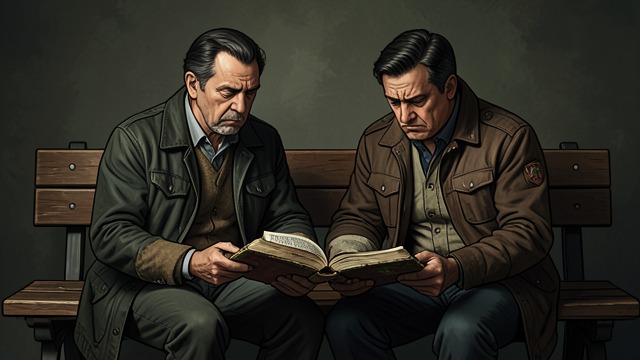
Austen Between Them
Shared reading
Tessa and Hardin use novels as a private language for desire, shame, and hope.
A borrowed ideal
Hardin imagines himself through literary heroes even when his conduct falls short of their promised transformations.
Comfort and distortion
Literature helps them speak, but can also make suffering seem like proof of destined love.
Hemingway's Dark Ending
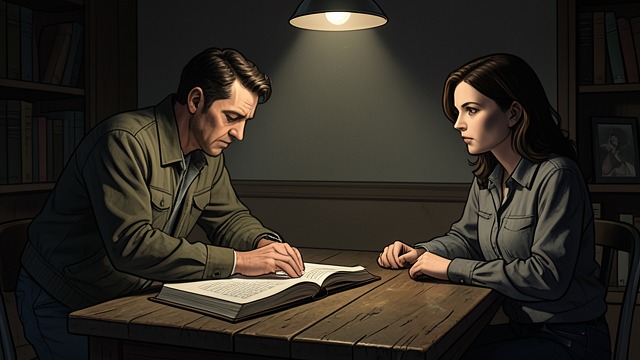
Hemingway's Dark Ending
A quote as warning
Hardin invokes a bleak line about love and unhappy endings while trying to push Tessa away.
Tessa recognizes the maneuver
She understands the quotation as another attempt to turn self-hatred into a reason for abandonment.
A script challenged
She refuses to accept the line as fate, even though she cannot stop Hardin from acting destructively.
The Brontë Comparison
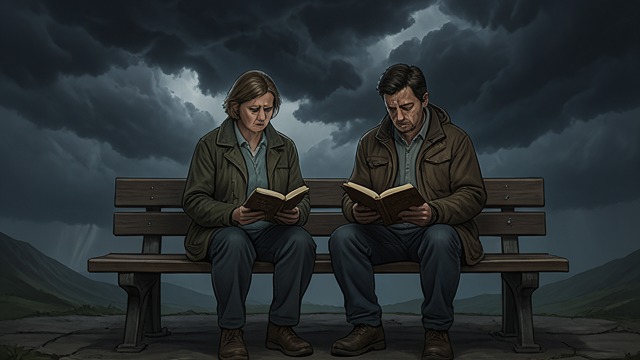
The Brontë Comparison
A grand analogy
Tessa and Hardin compare their relationship to the destructive passion of Wuthering Heights.
Myth versus reality
The comparison expresses their intensity but risks romanticizing repeated hurt and dependence.
A question left open
Their choices must determine whether they repeat the tragedy or create a different ending.
After as a Confession
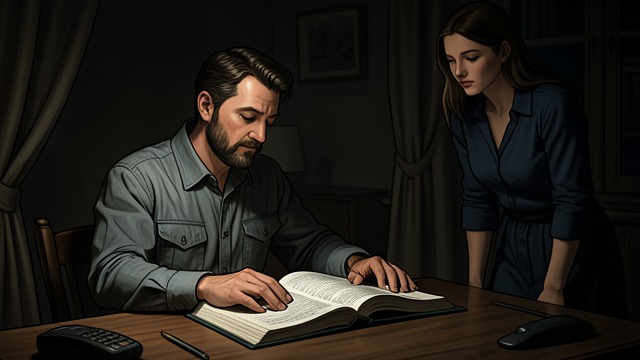
After as a Confession
A story offered
Hardin asks Tessa to read After, hoping the manuscript can express what he has not said directly.
Literature meets consequence
The pages contain devotion and self-criticism, but also private descriptions that make Tessa feel exposed.
The reader retains agency
Tessa reads before deciding; the book cannot dictate her forgiveness.
A Shared Ending Rewritten
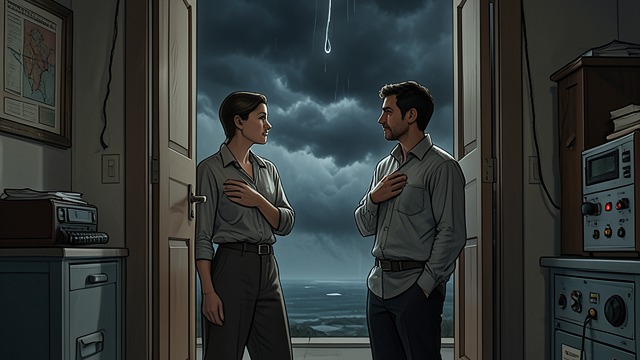
A Shared Ending Rewritten
A familiar quotation returns
Hardin and Tessa invoke the idea that their souls are alike when they reunite.
Meaning changes with time
The phrase shifts from a claim of inevitable passion toward a language of chosen commitment.
An imperfect conclusion
Their future includes distance, grief, fertility struggles, and parenting rather than a simple novelistic resolution.
during the early relationship
during Hardin's drunken night at Trish's house
during the early days after Richard's death
during Tessa's New York visit
at the wedding and later family life
